Top 7 gems of wisdom for progression
A panel discussion at the summer South Island Pasture Summit was packed with valuable take-home messages. Words Anne Lee.
For those wanting to grow their equity and climb the dairy progression ladder, the three panelists at the 2025 South Island Pasture Summit shared some
golden insights.
1. The importance of goals and purpose
Periods of rewarding growth came from, “Having really clear goals and a plan to achieve them that’s broken down into bite size chunks and then just really committed action to make it happen.” James McCone
“When you set your own goals and define what success looks like to you, you’re more willing to make the sacrifices and get through the hard times – as long as you can see an end to it.” James McCone
“As first generation dairy farmers it was important to start the conversation (early) – you may not have the capital now but three or five or 10 years down the track you will. You need to share your goals with your farm owner so they know you want to work with them.” Ashwini Pandya
2. Patience
“The patience bit comes after purpose. If you’re doing something with real intent, and you’ve done your homework, you’ve built a plan, the patience bit is seeing it through the tougher times. It’s sticking to the plans – it’s the commitment bit. Any endeavor has its ups and downs, and it’s being able to see your way through them and have commitment to your plan.” James McCone
“Find the right vehicle or right opportunity. Don’t be too quick to jump into something that you haven’t done your homework on. In our early days, there were other things we potentially looked at, but we just decided to hold the line, and we were surrounded by people who a) valued us and b) we were aligned with.” Kirsten O’Connor
3. Relationships
“We want to work with good people, who are aligned, motivated. That’s the cool stuff in the dairy sector – when you find an opportunity where you’ve got full alignment with some good people with skills other than your own, that’s where you really make some headway.” James McCone
For Mohit and Ashwini, their relationship with their farm owners has been key to their success. It’s come from building trust, working hard, being aligned and delivering. That’s all resulted in opportunity.
“We weren’t in a position to buy the whole farm (initially), Tom and Suzie gave us an option to purchase part and lease the rest – within two years we were able to purchase the whole thing.” Ashwini Pandya
4. Valuing people
“Understanding the value of people and upskilling them – we learned pretty quickly the more skilled they are, the easier our jobs become.” Mick O’Connor
5. Reputation matters
The dairy sector is a small place in New Zealand, so how you behave matters.
“That would be one of my gems of advice – don’t be a dick, because, you know, it’s never forgotten in a small industry. I’m looking for people with shared values, proven work ethic and a purpose that’s more than just, I want to build my equity. If someone said, “I really aspire to be in the top quartile for profitability and the bottom quartile for nitrogen loss,” that would prick my ears up in terms of someone that’s thinking about their future and the opportunities in the dairy sector, there’ll be some alignment there.” James McCone
6. Getting through the tough times
“We were really disciplined and there was a fair bit of sacrifice – we cut our cloth to make it fit – really knowing our personal budgets. We leant on others who had been through tough times before – we ran our plans past them and that gave reassurance we were tracking the right way.” Mick O’Connor
“We had a plan and knew it would be cyclical and we really just hunkered down. We thought about this scenario before it happened – although it didn’t make it any more fun to go through.” James McCone
7. Investing
Mohit and Ashwini bought in-calf heifers from the Masons and then sold them back as mixed-age cows, enabling the purchase of their first investment house. They bought more property over time before selling two houses to buy cows to go 50/50 sharemilking.
“We’ve always invested in things that appreciate over time – so cows and property. We don’t have a flash ute and I drive a 30-year-old tractor. Invest wisely and see it grow.” Mohit Pandya
“We’ve had all our eggs in one basket and stuck with what we knew – so stock. We had a vehicle in Dairy Holdings’ system – so rearing as many youngstock as we possibly could and stock purchases.” Mick O’Connor.
Meet the Panel
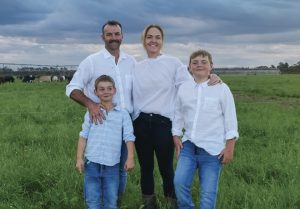
Mick and Kirsten O’Connor
Their journey has involved stepping up from managing to contract milking and on to variable order sharemilking, owning the herd, rearing and buying additional stock through Dairy Holdings (DH) and in 2023/24 becoming one third equity partners in a 260 effective ha, 1000-cow farm at Burnham near Christchurch.
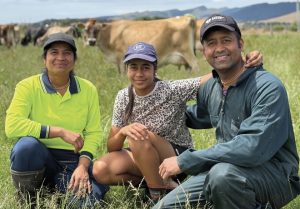
Mohit and Ashwini Pandya
The couple came to New Zealand 17 years ago from India. Mohit has veterinarian qualifications and Ashwini holds a biochemistry degree. Mohit worked his way up from a dairy assistant to herd manager and then manager for Tom and Suzie Mason in Canterbury before the couple took on a contract milking role for them. The couple stepped up to herd owning sharemilking for the Mason’s and this season have become farm owners, purchasing their Greenpark farm from the family.
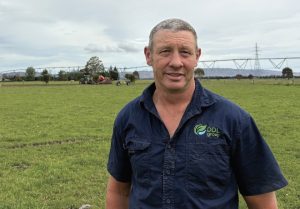
James McCone
Totalling 543ha and 1750 cows plus a support block, the McCone’s have a novel farm ownership structure. Ownership is separate to the operating companies with the aim of the structure to enable scale, grow talent and retain great people in the business. A family succession process kick-started the couple’s initial farm interests which they’ve since grown into the larger scale enterprise.
TOP INSIGHTS
Words from session facilitator, Brent Love, KPMG Timaru
There’s never been a time like now in the dairy sector – there is so much opportunity.
One thing you can control is what you bring in attitude – how you turn up, how you behave, how much care you take. If you have no money, you can still do those things well.
The industry has never been in better shape to take you on.
Stick to your budget, spend conservatively and have a plan with purpose. Be patient – repeat the behaviours and activities in your plan and you will get there. Relationships are important – have mentors and people who believe in you and back your plan. Put effort into your team. Set your own culture. Connect with your rural professionals and share your plans.