Get off farm
Driving out the farm gate for a well-earned break may be the best investment you make for yourself, your family and your farm. Finding work-life balance means being proactive and locking that time away into your calendar. Words Anne Lee.
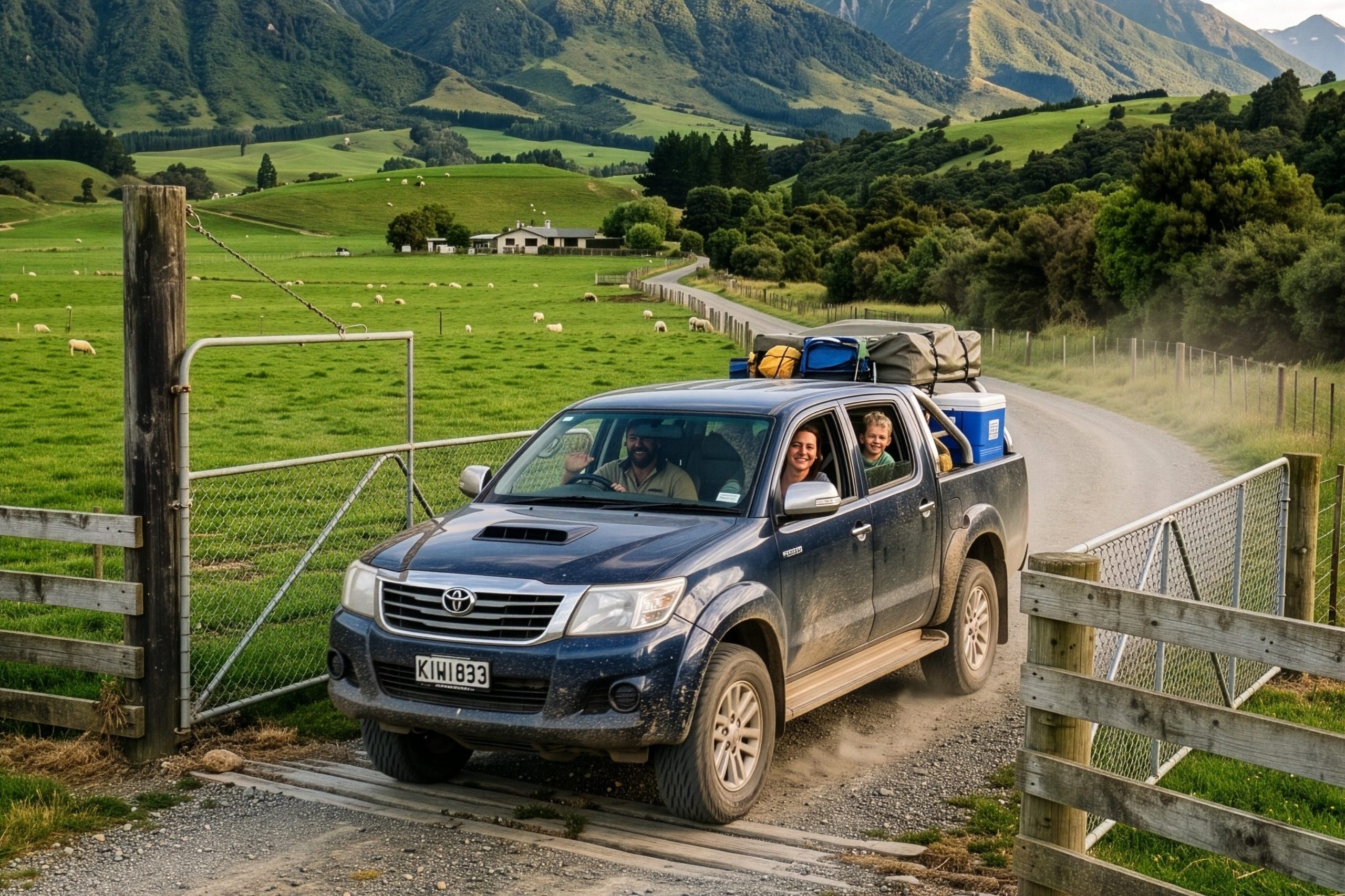
Taking time away from the farm is a critical tool for mental wellbeing, even if you’re loving being knee-deep in farming life.
Busy periods can be non-negotiable when it comes to being on deck but taking even a couple of hours to put your head up and drive out the gate can give you that mini mental break to help put things back in perspective.
Bigger breaks at times during the rest of the year should also be non-negotiable. Taking time off farm can make a significant difference to your mental capacity and clarity so that you’re able to do a better job when you are back at work.
Having a break locked in, even if it’s months away, gives you a target and tells your mind there is an end date to the fast pace or repetition you’re working with.
Farmstrong resources, available on its website, include information on why it’s important to put more balance into your life by devoting more time to activities away from work.
It’s especially critical for farmers who live right in the midst of their workplace. It can be your ideal environment with rolling hills, native bush and long vistas, but when that vista includes the next fence to be fixed, paddock to be mowed or stock to be shifted, it can seem that work is inescapable.
There will always be tasks to carry out on farm. It’s the nature of the business that you’re never finished. That’s not a reflection on your ability or performance.
Working harder, or even smarter, is still working. True time off, without the to-do-list in full view out the kitchen window, is vital to keeping up your enthusiasm and having a clear, capable mind.
Through Farmstrong, farmers themselves have put up their key tips for making time away happen.
“Make time off a business goal. You are your farm’s most valuable asset.” – Farmstrong
Make time off a business goal. You are your farm’s most valuable asset. A serious commitment to you and your family’s health and wellbeing needs to be part of your business plan.
Plan your break and just do it. Act on your good intentions. Schedule your holiday for non-peak times of the year. Plan it ahead and book it in – don’t wait until you need the break.

Trust your staff, learn to delegate. Learning to delegate and trust others is a gamechanger. Trust others to get things done, even if they do it a little differently to how you do it. Train others to take your place. It’s not a cost, it’s an investment that will reap huge rewards.
Do swaps with neighbours. An obvious solution to getting some time off is for neighbours to support one another to take some time off. Get your neighbour to look after your farm for a week, or oversee it, and you look after theirs in return.
Or maybe see if a retired local farmer can help out.
Take short breaks as well as a good holiday. It doesn’t need to be a long holiday to make a difference. Plan mini-breaks – even a few days can be enough to free the mind and come back feeling refreshed.
Try something different. Short breaks come in many forms. Try a new sport, read a book, see a show, anything that gives you energy and helps you to see the world a little differently. The mind needs refreshing.
It doesn’t have to be expensive. Book into a camping ground. Go stay with friends or family. Head into the back country and stay in a hut.
“Research on workplace fatigue shows that when people are tired their coordination is impaired and they are at a higher risk of an accident.” – Farmstrong
It can take more than a couple of days to totally wind down when you’ve been pushing yourself hard for weeks and months on end, so finding a way to have at least a week, or ideally more than that, will restore you.
Investing in your people, training them and ensuring you have enough staff to allow everyone in the team to get adequate breaks is money and time well spent.
Burnout and fatigue are just as much of a risk to team members. Preventing that happening should be a serious aspect of health and safety management.
Inevitable sickness and sick leave adds pressure to the rest of the team in terms of increased workload. It will also put everyone at more risk of accidents and injury.Having rosters that allow people to rest and recover is vital, especially during the busy periods such as calving and mating because, during the hours they’re working, there are more tasks to do and the physicality of those tasks can be higher.
Research on workplace fatigue shows that when people are tired:
- Their brain doesn’t function as well
- They have trouble thinking through issues
- They find it harder to make decisions
- Their coordination is impaired and they are at a higher risk of an accident.
Just as training people and having adequate staffing levels should be seen as an investment rather than a cost, so too should taking time off farm.
A refreshed, clear mind can see solutions rather than being overwhelmed by the problems. Productivity goes up because burnout and fatigue slow you down and will eventually grind you to a stop altogether.