Herd’s future in your hands
While calving can be a demanding time for cows, calves and staff alike, good preparation and planning can significantly reduce pressure when things ramp up – helping to keep people and animals safe, healthy and on track. Words Penny Timmer-Arends & Dr Stacey Hendriks, DairyNZ.
The 2026 calving season looks to be a big one as the industry continues to record solid six-week in-calf rates. Successful calving takes a team approach.
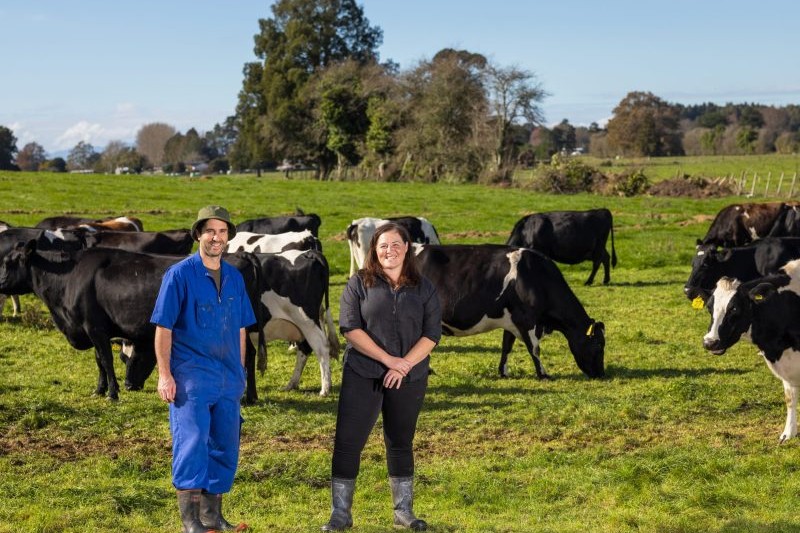
Before it all kicks off, it’s important to get together as a team and plan everyone’s roles, training required, when and who to ask for help, determine equipment needed, staff rosters (including scheduled time off for each staff member to rest and recharge), and establish a regular time to catch up. This could be a daily five-minute stand up where you keep to a simple agenda of ‘what happened yesterday’ and ‘what’s happening today’.
Ensuring you have everything you need prior to calving will help reduce stress, keep your team on track from the get-go and create better outcomes for your team and animals.
Look after your springers
The healthier your springer cows are going into calving, the more easily they tend to calve and the better they recover.
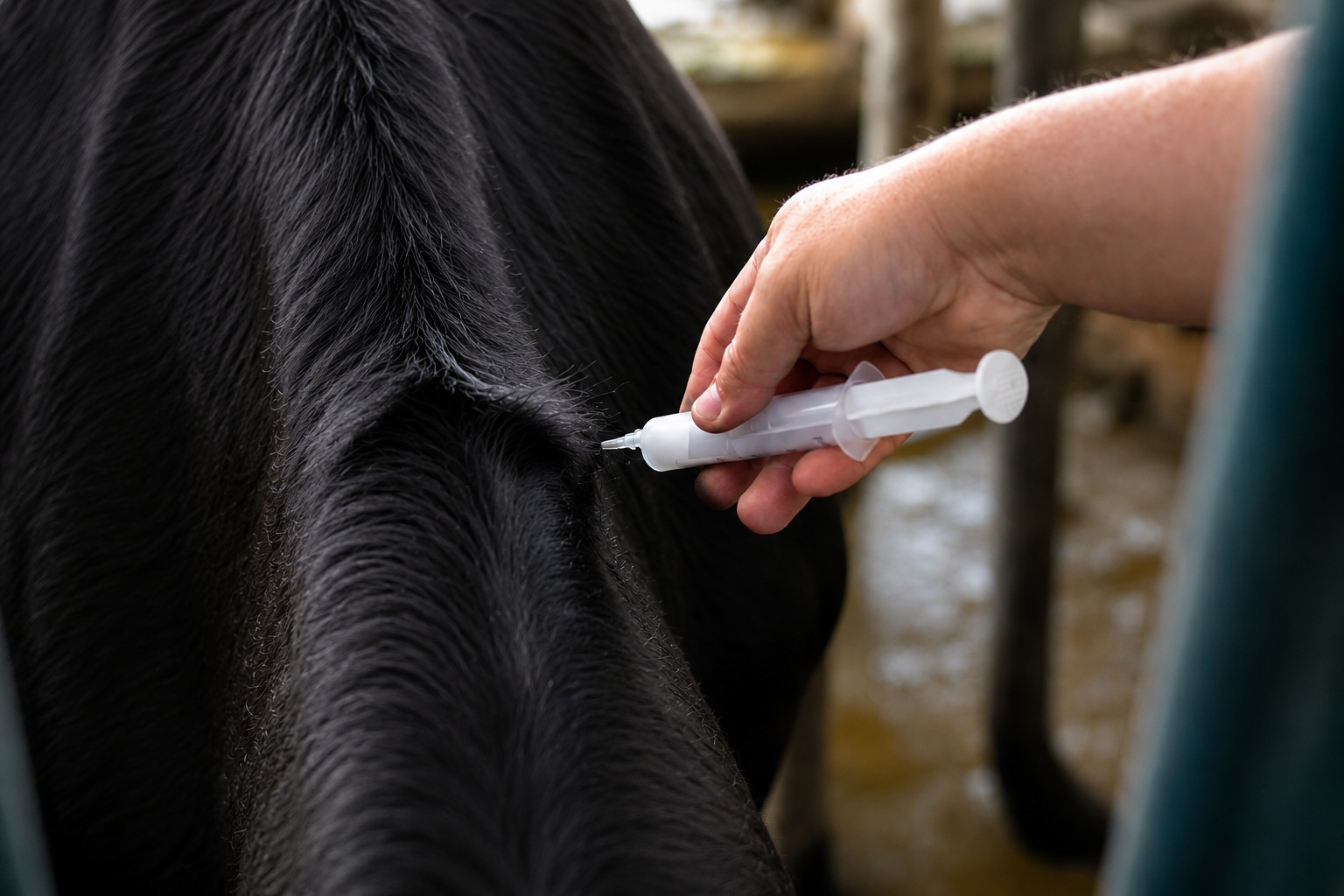
Ideally, provide a magnesium supplement to springer cows two to three weeks prior to calving to prevent milk fever and grass staggers. Post-calving, continue to provide magnesium and increase calcium intake by providing at least 100g lime flour per cow. Take the time to discuss mineral supplementation with your veterinarian to ensure it’s tailored to your herd.
It’s common practice on most New Zealand farms to separate springers into their own mob. This makes it easier for staff to monitor their body condition, feed intake, signs of calving, and intervene quickly if they have any issues.
Springers should be checked for signs of labour at least twice-a-day – quietly and carefully. It’s important to also keep track of their body condition score (BCS). Cows that are at or below target BCS should be fed 100% of their daily energy requirements. Over-conditioned cows, above BCS target (5.5 for R2s and R3s, 5 for cows), are at greater risk of metabolic issues and should be fed 90% of their daily energy requirements.
Cows should be back ruminating within 40 minutes to 12 hours after calving. Failure to do so may indicate a problem, however wearable data is only one piece of the puzzle.
Good stockmanship, close observation and a well-executed transition management plan collectively contribute to cow wellbeing and production. Cows are most at risk of mastitis or infection in the first few weeks post-calving as they transition back to milking.
“Quality should always be prioritised over quantity.” – Penny Timmer-Arends, DairyNZ
Go for gold
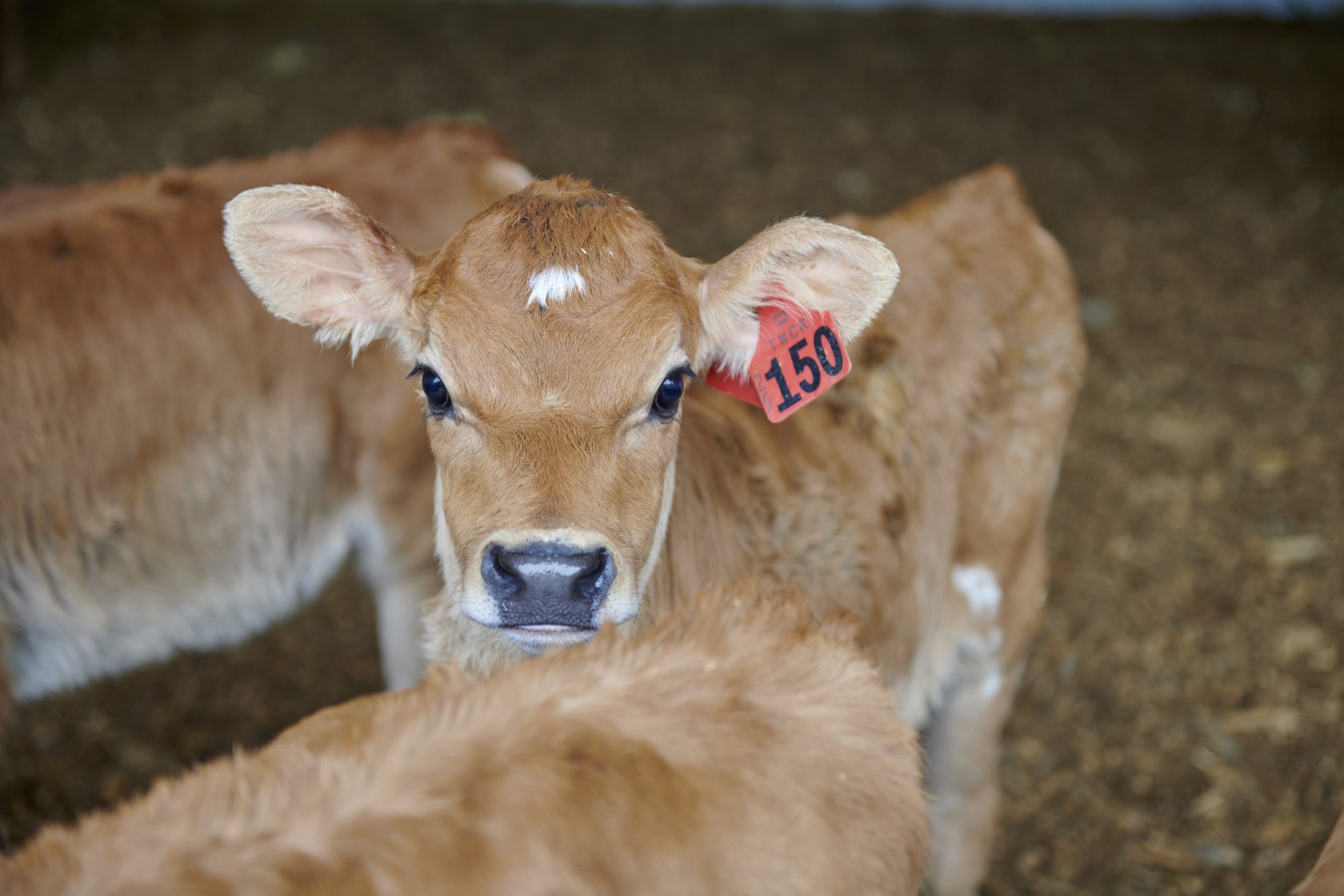
Successful calf rearing starts as soon as the calf is born. Your calves are the future of your herd, so it pays to give them extra attention to set them up for a productive life on farm.
New Zealand farmers are well placed to lead in calf wellbeing; we have fewer respiratory diseases than other countries and our group housing systems provide ample space for calves to play and interact.
The cow’s very first milk – gold colostrum – is rich in antibodies, and it’s so important to get it into the calf within about 12 hours to get the passive transfer of immunity. Every hour counts when it comes to feeding colostrum. The antibodies cannot be absorbed after 24 hours. Providing two feeds each of around 1.5-2 litres of gold colostrum within the first 12 hours is the target.
Quality should always be prioritised over quantity. Ideally you want your newborn calves fed colostrum with an antibody level of around 22% or above – tested with a Brix refractometer. If the colostrum level is low, you have the option of supplementing with high-quality frozen colostrum (from other cows) or feeding calves a colostrum replacer.
Boost calf milk intake
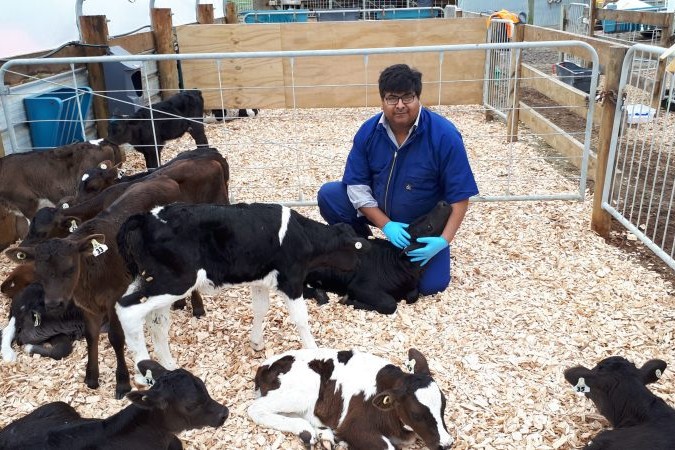
A New Zealand study led by Bioeconomy Science Institute ruminant nutritionist, Dr Ajmal Khan, found that calves fed 8l/day pre-weaning had more functional mammary tissue and less fat in the udder at seven months, compared with those fed 4l/day (see story page 76). Post-weaning growth was not compromised and international studies show higher pre-weaning growth translates to increased first-lactation milk yield.
In the first weeks of life, calves rely entirely on milk for maintenance, growth, immune function and activity. While meal and roughage help them get used to nibbling, they can’t absorb energy from solids until their rumen begins to develop. Better early nutrition also boosts future productivity.
Updated DairyNZ calf-rearing resources are now available on the DairyNZ website, reflecting the latest research and offering independent guidance on housing, health, colostrum, feeding and weaning – making it easier to put science into practice to give your calves the best start possible.