The right pain relief
Effective pain relief using anti-inflammatories can have productivity benefits alongside the primary effect of making animals more comfortable. Words Rory Dean.
The availability and uptake of practical pain relief drugs for cattle has surged in the last decade. This is due in part to a better recognition of animals’ ability to experience pain by veterinarians and farmers coupled with a wish to improve cow comfort.
A variety of innovative products now exist, offering affordable analgesia for our hard-working dairy cows and calves. Pain relief drugs are far too broad a category for any meaningful discussion, so this article will focus on NSAIDs, or non-steroidal anti-inflammatory drugs, the most prevalent pain relievers in sheds across New Zealand. Briefly, there are several other compounds that we use in dairy practice but are far less common to see used routinely on-farm. Local anaesthetics, such as lignocaine, provide complete loss of sensation in an area and are used for epidurals and dehorning (lignocaine’s cousins are used in modern dentistry). Sedative drugs, such as xylazine, are used by veterinary teams to relax the muscles of cattle, sedate them and also to provide a degree of pain management – you will see your vet team administer this to calves at disbudding time.
NSAIDs
Non-steroidal anti-inflammatory drugs block an enzyme in the body called cyclooxygenase (COX) that produces pro-inflammatory molecules in the body. Examples of NSAIDs used in human medicine are numerous, and include aspirin, ibuprofen, diclofenac and celecoxib. Many readers will be familiar with these drugs used for sore joints, rugby injuries, viral illnesses and headaches. They are effective and well tolerated on the whole. By far the most common veterinary medicine in this class used in NZ dairy cattle is ketoprofen. Ketoprofen, like its medical counterparts, inhibits COX, reducing inflammation and pain in the cow and combatting any fever that may be present. Other active ingredients such as meloxicam, flunixin and tolfenamic acid are also used in dairy cows in NZ with success. They have different uses based on duration of action, prevalence of side effects, milk and meat withholds, and administration route. All of them have an anti-inflammatory action, relieve pain and can address fevers.
“Leading the way in preventing and managing painful conditions preserves our image, secures our social licence, offers transparency and prioritises animal welfare in a pragmatic manner.” – Rory Dean, Kaipara Farm Vets
Uses
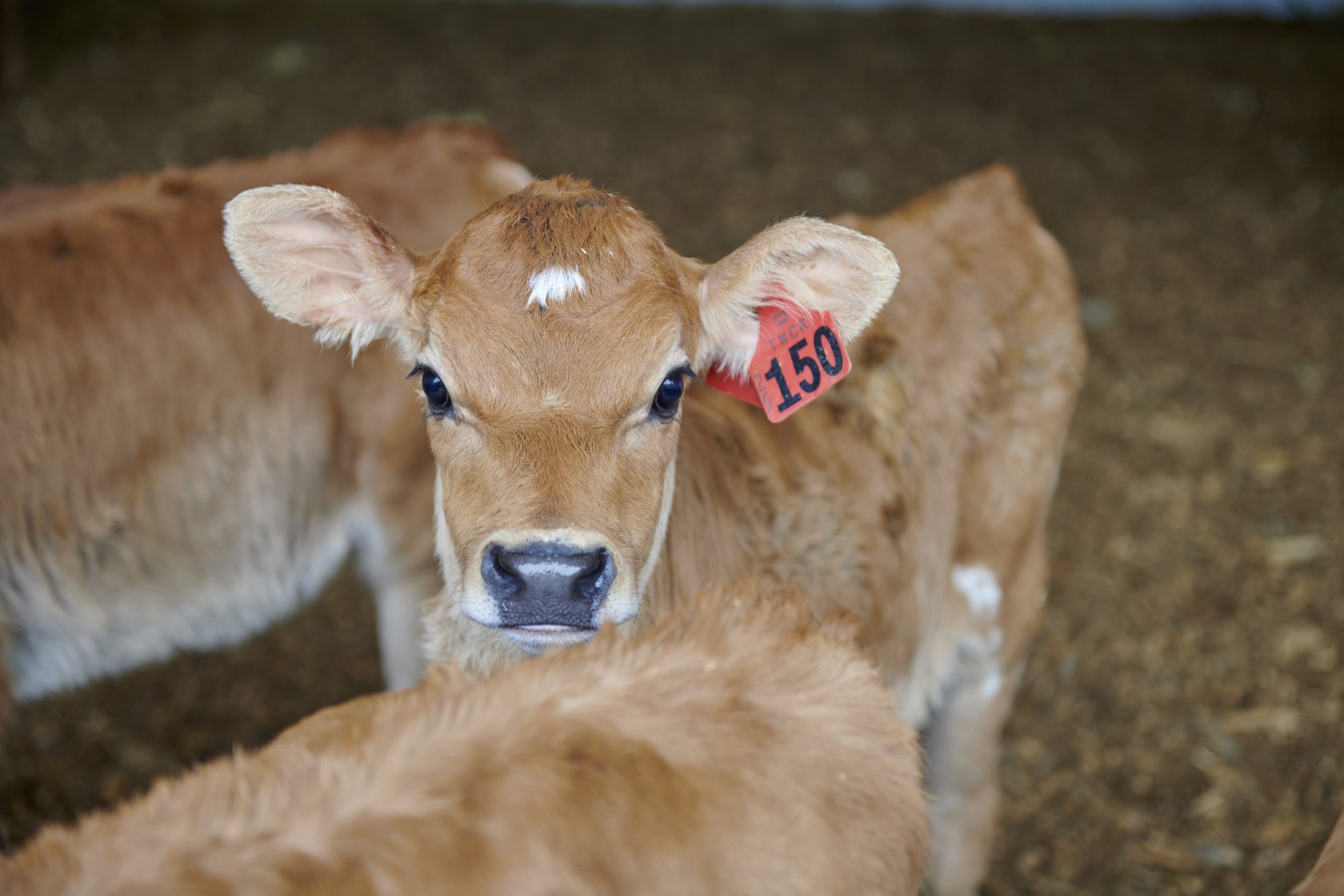
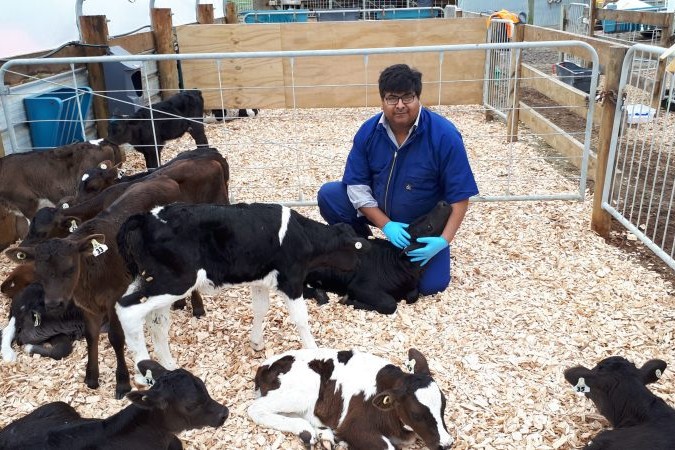
Your veterinarian will advise you on the best use for each medicine in your herd as well as how to use these in the best possible manner. We now know that a 3-day course of ketoprofen, as well as a shoe, improves outcomes for cows with certain types of lameness. There is ample evidence that these medicines improve recovery in cases of mastitis. Interestingly, this not only improves the likelihood of the condition to respond to treatment but also includes reduced culling rates and improved reproductive performance. Vets and farmers across the country will use these drugs for down cows, sick cows, calvings and injuries with great benefit. Of course, calves also benefit from NSAID drugs. Calves with diarrhoea, navel ill, joint ill and pneumonia seem to benefit from NSAID administration, improving calf comfort. However, it is important to make sure the calf is hydrated and the appropriate dose is given, as side effects can occur with sick calves – talk to your vet.
The New Zealand dairy farming industry should be proud of its uptake of these useful medicines. Leading the way in preventing and managing painful conditions preserves our image, secures our social licence, offers transparency and prioritises animal welfare in a pragmatic manner. By being mindful of some of the nuances of these drugs and engaging regularly with their veterinarian, farmers and their cows stand to reap the rewards of better pain management in cattle. Used early, at the appropriate dose, in the right manner, these medicines offer NZ dairy farmers a genuine opportunity that stacks up every way we look at it.
“To reduce the risk of side effects, don’t increase the dose beyond that on the label.” – Rory Dean, Kaipara Farm Vets
Do’s and don’t’s
Do give these medicines early. If you know you’re going to feel that creaky old knee after the rugby game, you’d take the ibuprofen beforehand, not at the bar afterwards when you can barely walk. There is significant evidence that drugs like ketoprofen are most valuable when given before the painful stimulus occurs in a phenomenon called pre-emptive analgesia. Consider this as getting the best value for your medicines on-farm.
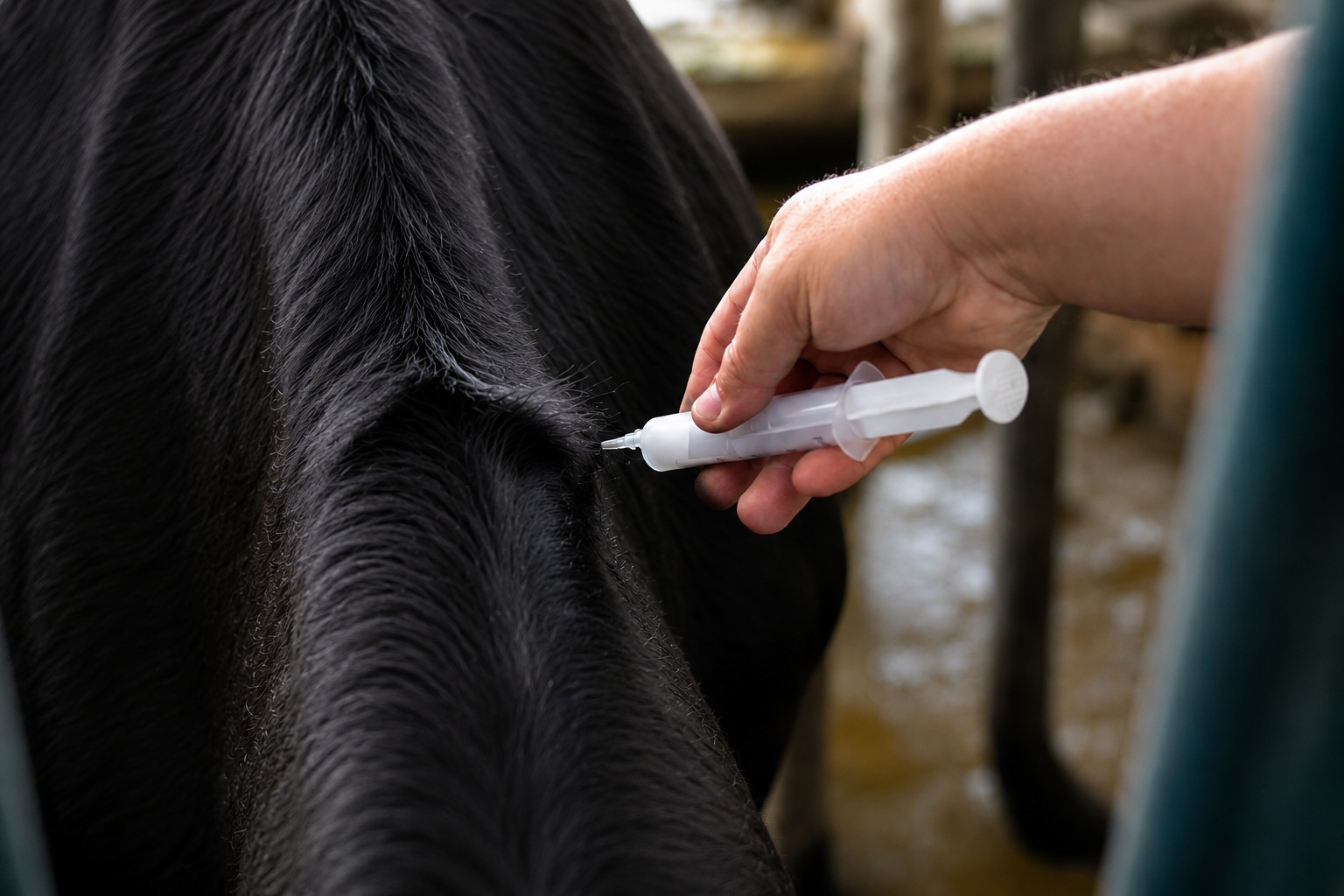
Do read the bottle. Many of our veterinary medicine injections seem to be around 20-30ml in volume and are given in the muscle. However, veterinary pain relievers in cattle differ widely in their dosing volume, administration method and frequency of dosing. This also applies to withholding – if you are unsure, call your vet.
Don’t increase the dose beyond the labelled dose. Amongst my clients, who are doing their very best to treat and prevent suffering in their stock, this is one of the most common misunderstandings. Misconceptions include better pain relief, longer duration of action and a superior quelling of inflammatory processes. It is highly unlikely that any of these are true due to a ceiling effect that occurs with some NSAID drugs in terms of how much effect they can have and the way the drugs are metabolised. What is certainly true, is that overdoses increase the risk of side effects. Side effects are similar to that experienced by human patients and include gut upset (which can include stomach ulceration) as well as kidney damage.